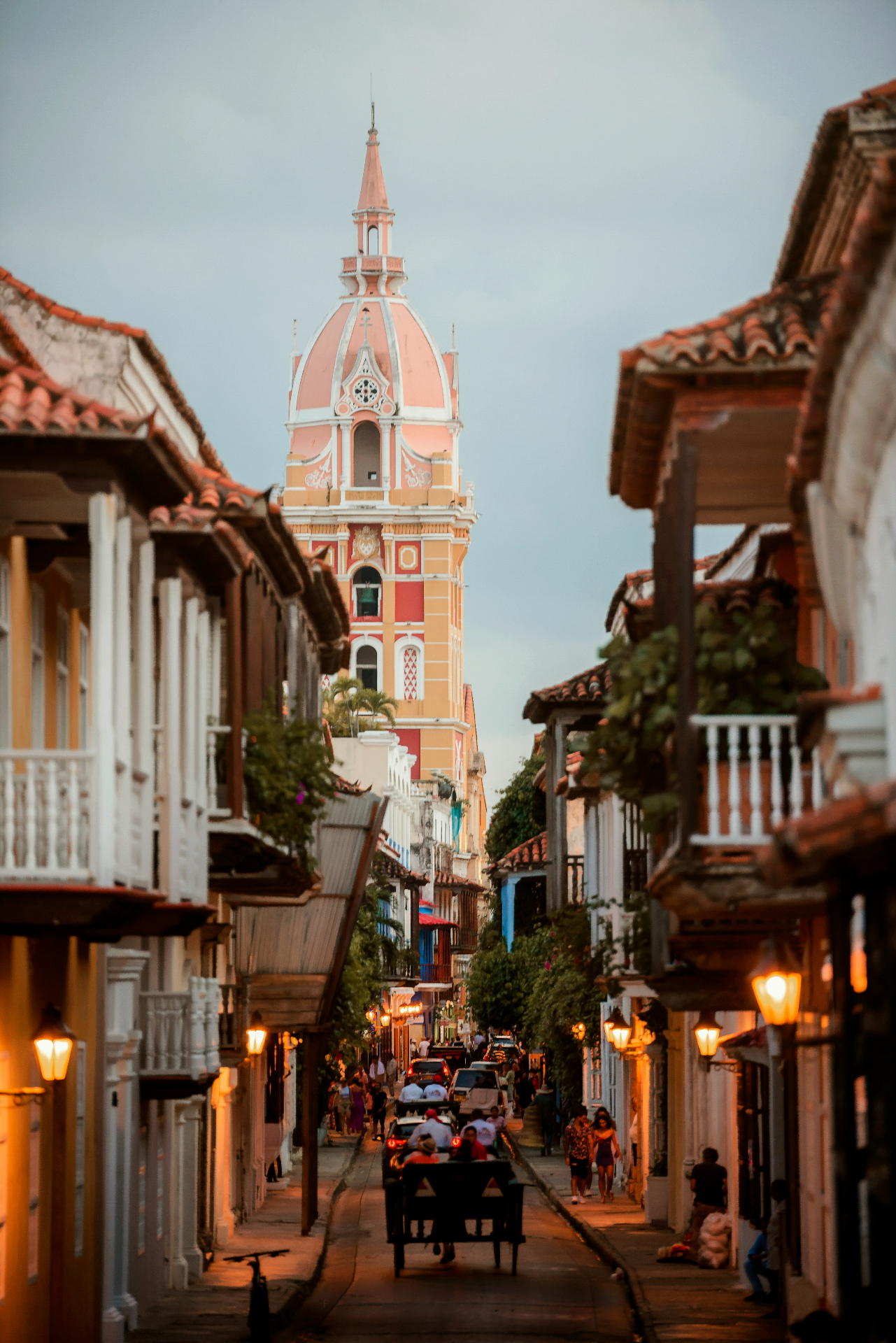
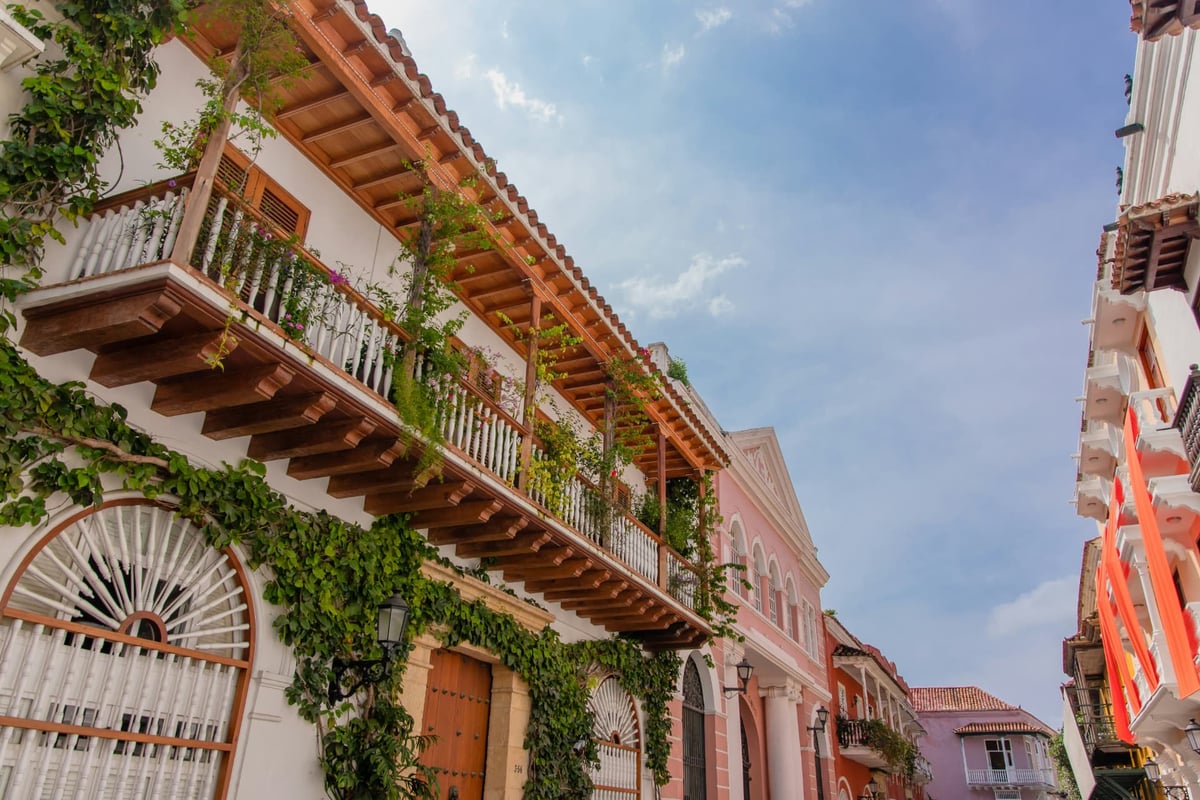
The horse-drawn carriages are gone, and it is worth knowing why.
No. The city banned them in the old town through Decreto 2296 of 2025, effective 29 December that year, and replaced them with up to 62 electric carriages owned by the district rather than by the drivers. In September 2026 the Constitutional Court went further and struck down the use of animals to pull tourist vehicles nationwide, with six months to substitute and relocate. If someone offers you a horse-drawn ride, they are selling something that is no longer legal. The carriage drivers lost their trade along the way and say they were promised a transition they did not get: this is not a closed matter, it is a recent one.
The old town has a decree behind it, and you feel it at night.
Cartagena carries a documented problem of sexual exploitation tied to tourism, and the city's answer was Decreto 003 of 2024, the Plan Titán: a curfew on under-16s in the old town after eight at night, suspension of both the practice and the promotion of prostitution in the area's public space, and closure of venues. Premises have been shut in operations since then, and the city is debating a regulated adults-only zone within its new planning framework. Law 1336 of 2009 penalises sex tourism involving minors. For you this means two things: what gets offered to you on the street at night has a context that is not folklore, and we are not telling you to stay in — we are telling you to know what you are looking at and what you would be taking part in.
The free massage sample on the beach is not free.
It is the city's most repeated hustle and it has been in the press for years: you are offered a sample massage, braids or a cocktail, it happens without a price being named, and afterwards hundreds of thousands of pesos are demanded, sometimes with an escort to the cash machine. There are cases from 2018, from 2023 and from 2026, and masseuses have been required to display a price list since 2016. The practical rule is simple: nothing begins until someone tells you the price, you accept no samples, and one no thank you said while you keep walking is enough. If it has already happened, report it: the city's digital complaint channel has worked in these cases.
The islands charge you three times, and it is better to know first.
The price you get on the phone is almost never the total. The boat or day trip, the dock-use fee paid at the pier on the day, and entry to Corales del Rosario y San Bernardo national park all run separately — the park being 13,500 pesos per person in 2026 for the protected area and 11,000 in the San Bernardo sector. The dock fees in circulation vary quite a bit by operator and pier, so we don't give a single figure: what works is asking in writing what is included and carrying pesos in cash for whatever isn't.
The tip is voluntary and they have to ask you.
No. Law 1935 of 2018 says a suggested tip cannot exceed 10% of the service before tax, and that it only goes on the bill with your acceptance: whoever serves you has to ask whether you want it included and for how much. Adding it without asking is sanctionable by the consumer protection authority. Separately there is the consumption tax, the 8% restaurants charge instead of VAT. If the bill arrives with the 10% already on it and nobody asked you, you can ask for it to be taken off.
Tap water, depending on who you ask.
The water utility, Acuacar, says yes: it reports meeting the Colombian sanitary standard, publishes its quality certificates, and sits in the no-risk category, the best on the scale. Travel guides say the opposite and point at where the water comes from, the Canal del Dique. The official source here is the utility itself and the counterargument isn't technical, so we are not going to settle it: if your stomach is sensitive or you have just come off a long trip, bottled water and no ice for the first few days, and the question stops mattering.
The heat does not drop at night, or in January.
There is no cool season. It is mid-thirties with high humidity all year and it barely drops after dark: the relief comes from the northeasterly wind between January and March, not from the month. That changes the itinerary more than people expect — between noon and four the old town cannot be walked, and days split into early morning and after five. Linen and cotton, a hat, a thin long-sleeved shirt for the sun, and comfortable shoes for stone streets. You need nothing warm outdoors; inside the air-conditioned restaurants, sometimes you do.